Why Protein Matters — Especially for Women Over 50 — And Why Macros Are Not One‑Size‑Fits‑All
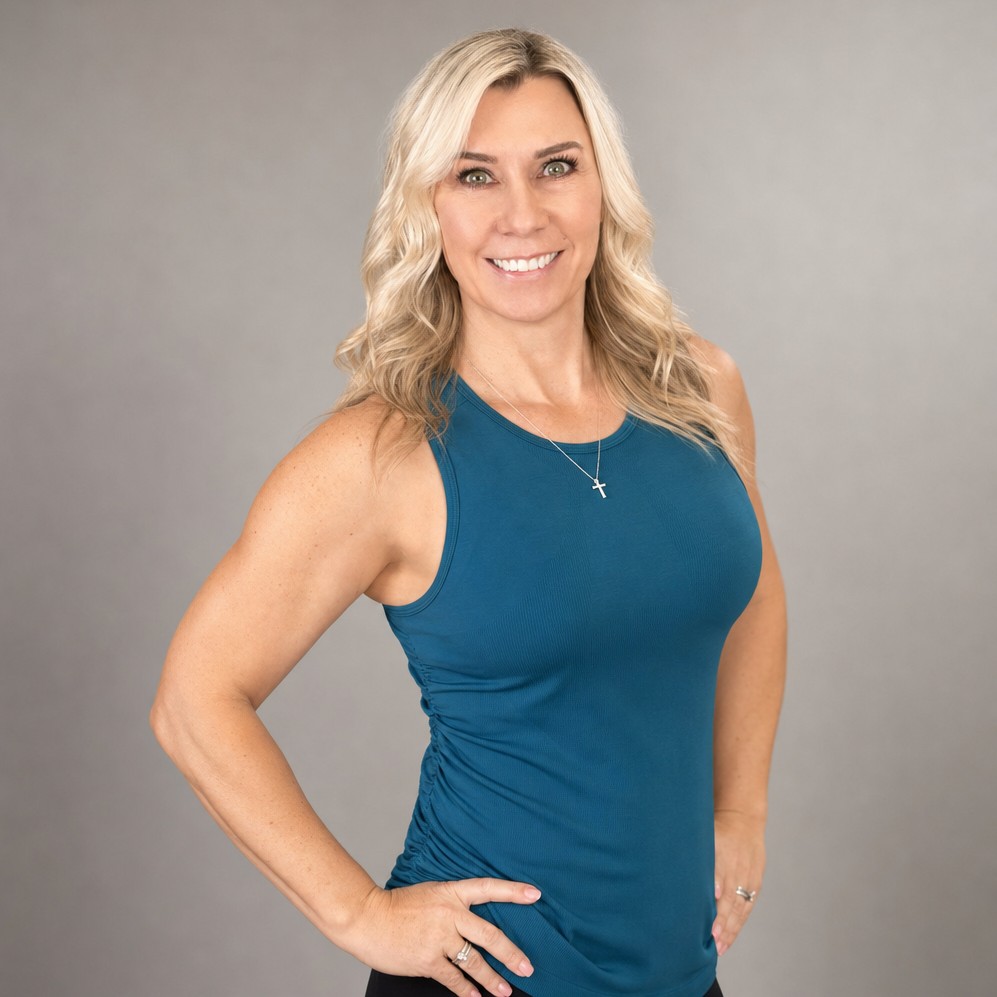
Protein isn’t just a “fitness thing.” It’s a lifelong health thing — and for women over 50, it becomes one of the most important nutrients to protect strength, metabolism, and overall vitality. Yet most women in this age group are significantly under‑eating protein, often without realizing it.
The bigger issue? The amount of protein a woman needs is not universal. It depends on her goals, her training, her metabolism, and her stage of life. That’s why a one‑size‑fits‑all macro plan rarely works.
Why Protein Becomes Even More Important After 50
Muscle Loss Accelerates with Age
Starting around age 50, women naturally lose 3–8% of muscle per decade. This process — called sarcopenia — speeds up without strength training and adequate protein. Less muscle means:
Slower metabolism
Lower strength
Higher risk of falls
More joint pain
Harder fat loss
Protein is the raw material your body uses to maintain and rebuild muscle tissue.
Hormonal Changes Increase Protein Needs
As estrogen declines, the body becomes less efficient at using protein for muscle repair. This means women over 50 need more protein per meal to trigger muscle protein synthesis — the process that keeps muscle tissue healthy.
This is why many women feel like they’re “doing everything right” but still losing strength or gaining fat. Their protein intake simply isn’t high enough for their physiology.
Protein Supports Bone Health
Protein helps maintain bone density — a major concern for women in midlife and beyond. Combined with strength training, adequate protein intake can significantly reduce the risk of osteoporosis.
Protein Helps Control Hunger and Cravings
Protein stabilizes blood sugar and keeps you full longer. For women navigating:
Slower metabolism
Increased stress
Changes in appetite
Emotional eating
…protein becomes a powerful tool for appetite control and sustainable fat loss.
Why Protein Needs Are NOT One‑Size‑Fits‑All
There is no universal “perfect macro plan.” Protein needs vary based on several factors — and this is where personalized coaching becomes essential.
Here are the biggest variables:
Activity Level
A woman who strength trains 3–4 days per week needs more protein than someone who walks for exercise.
Strength training increases the body’s demand for amino acids — the building blocks of muscle.
Body Composition Goals
Different goals require different protein strategies:
Fat loss: Higher protein helps preserve muscle while in a calorie deficit.
Muscle gain: Protein supports growth and recovery.
Body recomposition: Protein must be high enough to build muscle and burn fat simultaneously.
Each goal requires a different macro balance.
Current Muscle Mass
Women with more lean mass need more protein to maintain it. Women with less lean mass often need more protein to rebuild it.
Age and Hormonal Status
Women over 50 often need more protein per meal to hit the leucine threshold — the amount needed to stimulate muscle repair.
This is why “just eat more protein” isn’t enough. The distribution and quality matter.
Digestion and Appetite
Some women struggle to eat large meals. Others prefer grazing. Some tolerate animal proteins better; others prefer plant‑based options.
Protein intake must fit the woman’s lifestyle, preferences, and digestion — or it won’t be sustainable.
So How Much Protein Do Women Over 50 Actually Need?
Most research supports 0.7–1.0 grams of protein per pound of goal body weight, depending on training and goals.
But the real key is this:
Protein needs to be personalized — not guessed.
A woman’s ideal macro plan should consider:
Her training
Her metabolism
Her age
Her goals
Her schedule
Her food preferences
This is why cookie‑cutter macro calculators fail so many women.
The Bottom Line
Protein is essential for women over 50 — not just for fitness, but for long‑term health, strength, and quality of life. But the right amount of protein isn’t the same for everyone.
A personalized macro approach ensures:
Better energy
Better recovery
Better strength
Better metabolism
Better results
And most importantly — a plan that actually fits real life.
-By Yvonne Lawrence, Owner & Coach — North Side Strength & Fitness


Comments