Strength Training for Every Age: Why It’s Never Too Late - or Too Early - to Get Strong
Updated: May 29
Strength is the foundation for how we move, live, and feel. No matter your age, building strength supports mobility, balance, confidence, and long‑term health. At
North Side Strength & Fitness, I believe strength training should feel welcoming, empowering, and accessible; whether you’re just getting started or returning after years away.
Why Strength Training Matters at Every Stage of Life
Strength training adapts to you — your goals, your abilities, and your season of life. The benefits evolve, but the value never fades.
Kids & Teens: Building Healthy Movement Patterns
Develop coordination, balance, and body awareness
Build confidence and reduce injury risk in sports
Learn proper form early, creating lifelong habits

Adults in Their 20s–40s: Strength for a Busy Life
Boost metabolism and support healthy body composition
Improve posture and reduce everyday aches
Build resilience for parenting, careers, and daily demands

Adults 50+: Protecting Muscle, Bone, and Independence
Combat age‑related muscle loss (sarcopenia)
Improve bone density and joint stability
Support balance, mobility, and fall prevention

Seniors 60–80+: Strength for Longevity and Confidence
Maintain independence in daily activities
Improve gait, stability, and reaction time
Support heart health, energy, and overall vitality

The Science Is Clear
Research consistently shows that resistance training:
Increases muscle mass and strength at any age
Improves cognitive function and mood
Reduces risk of chronic disease
Enhances quality of life and independence
Even people in their 70s, 80s, and 90s can build strength with the right program and supportive coaching.
What Strength Training Actually Looks Like
Strength training doesn’t have to be intimidating. It can be simple, approachable, and tailored to your comfort level.
Common tools include:
Bodyweight movements
Dumbbells or kettlebells
Resistance bands
Machines
Functional movements like squats, rows, and carries
The key is progressive overload — gradually increasing challenge in a safe, supportive way.
A Simple “Strength at Any Age” Beginner Program
This two‑phase structure works beautifully for beginners of any age — especially seniors, women, and adults returning to exercise.
Phase 1: Build the Foundation (2–4 Weeks)
Squat to chair
Wall push‑ups
Seated or band rows
Step‑ups or supported balance work
Light core activation
Focus: confidence, form, and safe movement patterns.
Phase 2: Build Strength (4–8 Weeks)
Goblet squats
Dumbbell chest press
Standing band rows
Hip hinge or deadlift variations
Farmer carries
Focus: controlled progression, improved stability, and full‑body strength.
The Bottom Line
Strength training is for everyone — every age, every ability, every starting point.
It’s one of the most powerful tools we have to stay mobile, confident, and capable throughout life. And you don’t have to do it alone. With thoughtful progressions, clear coaching, and a welcoming environment, anyone can build strength that lasts.
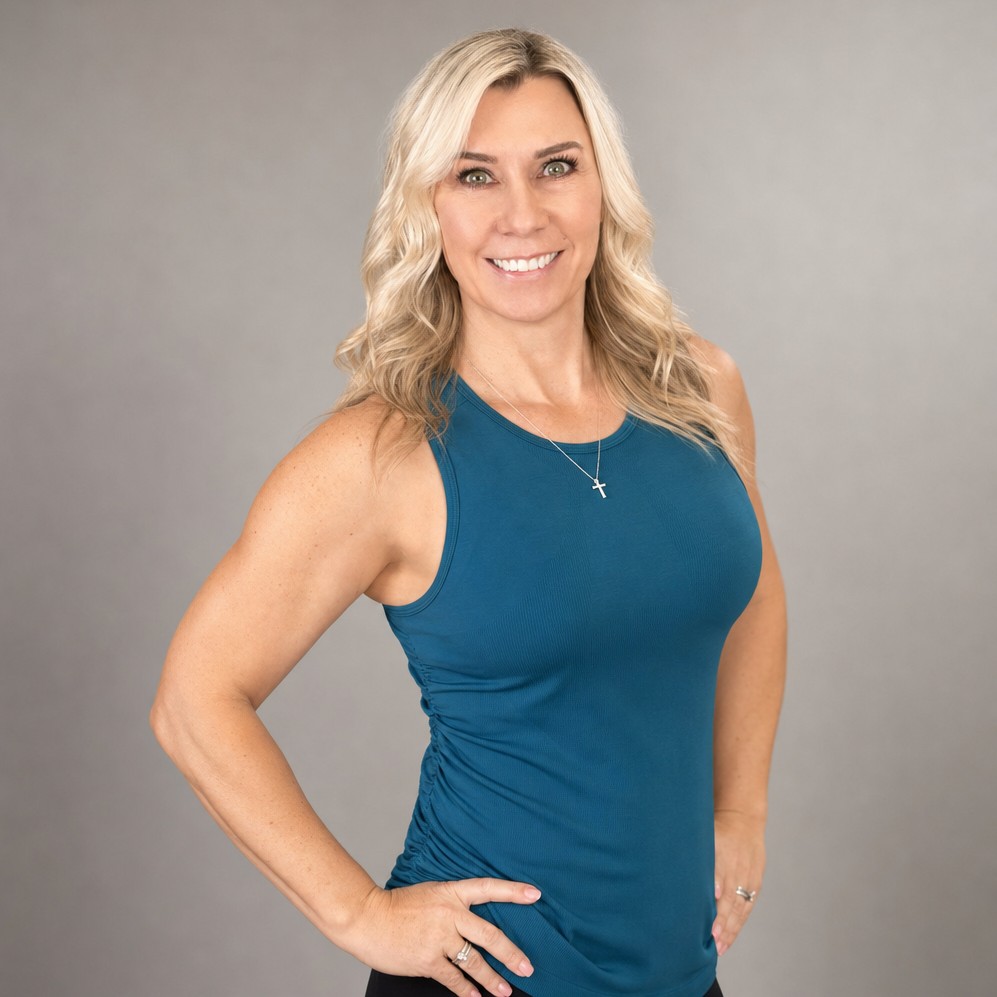
-By Yvonne Lawrence, Owner & Coach — North Side Strength & Fitness


Comments